
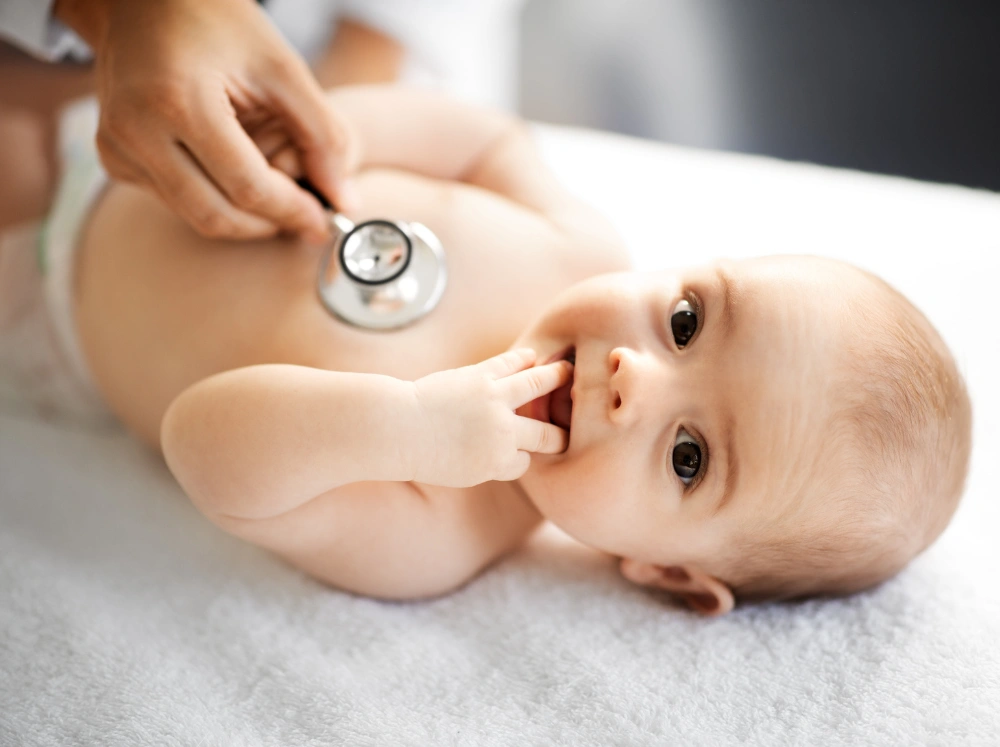
The first year of your baby’s life is full of growth, change, and milestones. From the first smile to the first steps, it’s a period of rapid development—and regular well-child checkups play an important role in ensuring your baby’s health along the way.
As new parents, you may have questions about what to expect during your child’s first year and why regular pediatric visits are so important. Here’s a breakdown of the well-child checkups your baby will receive during the first year and why these visits are essential for their health and well-being.
What Happens at Well-Child Checkups?
Well-child checkups provide an opportunity for your pediatrician to monitor your baby’s development, address any concerns, and ensure they are on track with their growth. These appointments are also a time for you to ask any questions you may have about feeding, sleeping, and other aspects of your baby’s care.
During these visits, your pediatrician will typically:
- Track Growth and Development
Your baby’s weight, height, and head circumference will be measured to monitor their growth. Developmental milestones will also be checked to ensure they are meeting their expected targets, such as lifting their head, smiling, or rolling over. - Immunizations
Vaccines are one of the most important ways to protect your baby from serious illnesses. The pediatrician will give the recommended vaccines during each visit. Keeping your baby on track with their immunization schedule is essential for their health and safety. - Screenings
Your pediatrician will check your baby’s hearing, vision, and reflexes. These screenings help detect any potential issues early so that they can be addressed promptly. - Addressing Concerns
Each visit is an opportunity for you to discuss any concerns, whether it’s about feeding, sleep habits, or a rash you’ve noticed. Your pediatrician can offer guidance, reassurance, and support for you as new parents.
When Should You Schedule Your Baby’s Well-Child Checkups?
Your pediatrician will recommend a schedule for your baby’s checkups, typically starting in the first week of life and continuing at regular intervals throughout the first year. Most common well-child visits for newborns and infants occur at:
- 1-2 weeks
- 2 months
- 4 months
- 6 months
- 9 months
- 12 months
These visits are crucial for tracking your baby’s growth and development and ensuring they’re getting the care they need.
Why Are These Checkups So Important?
Well-child checkups are important for several reasons:
- Early Detection of Health Issues
Routine checkups help pediatricians detect potential health issues before they become serious. The earlier a problem is identified, the easier it is to treat, whether it’s something minor or more serious like a developmental delay or vision issue. - Vaccinations Protect Your Baby
Vaccines are key to protecting your baby from preventable diseases such as measles, whooping cough, and polio. Staying on track with the recommended immunization schedule is one of the best ways to protect your little one and those around them. - Guidance for Parents
As a new parent, you’ll likely have a lot of questions. Well-child checkups provide an opportunity to ask your pediatrician about your baby’s care, such as advice on feeding, sleep routines, or development concerns. These visits can also help reduce any worries and give you confidence in caring for your child. - Building a Partnership with Your Pediatrician
Regular visits allow you and your pediatrician to build a relationship, and they become more familiar with your baby’s health history. This partnership is vital in ensuring the best possible care for your child over the years.
What to Bring to Your Baby’s Appointment?
Make sure to bring the following to each well-child visit:
- Your baby’s health records, if you’re seeing a new pediatrician
- Any questions or concerns you may have about your baby’s health, growth, or development
- A list of any medications or supplements your baby is taking
- A diaper bag with any essentials your baby might need, like extra diapers, wipes, or snacks if they’ve started eating solids
When Should You Contact Your Pediatrician Between Appointments?
In addition to well-child checkups, there may be times when you need to contact your pediatrician between visits. If your baby experiences:
- A fever over 100.4°F
- Trouble breathing or wheezing
- A persistent rash or skin irritation
- Difficulty feeding or dehydration
- Extreme fussiness or inconsolable crying
- Any signs of illness that concern you
It’s always better to err on the side of caution and reach out. Your pediatrician is there to provide guidance and support at every step of your baby’s first year and beyond.
By staying on top of these checkups, you’re setting your baby up for a lifetime of health and wellness. We’re here to support you and your family through every step of this exciting journey!
At Arlington Prime Pediatrics, we are dedicated to providing personalized care for your little one. If you haven’t scheduled your baby’s next well-child checkup, please contact us today to ensure your baby is on the path to a healthy first year and beyond.