

As your child moves from babyhood into toddlerhood, their nutritional needs—and eating habits—begin to change quickly. Between ages 1 and 3, your toddler is developing motor skills, learning to feed themselves, and forming food preferences that may last a lifetime. While this stage is exciting, it can also bring challenges, such as picky eating, mealtime battles, or a sudden refusal to eat foods they loved as a baby.
The good news? With the right strategies, you can set the stage for healthy eating habits that support growth, immunity, brain development, and lifelong wellness. At Arlington Prime Pediatrics, we guide families through these important years using evidence-based recommendations from the American Academy of Pediatrics and the Bright Futures guidelines.
Here are 7 simple, practical ways to encourage healthy eating for toddlers—without turning mealtime into a stressful experience.
1. Build a Balanced Plate with Every Meal
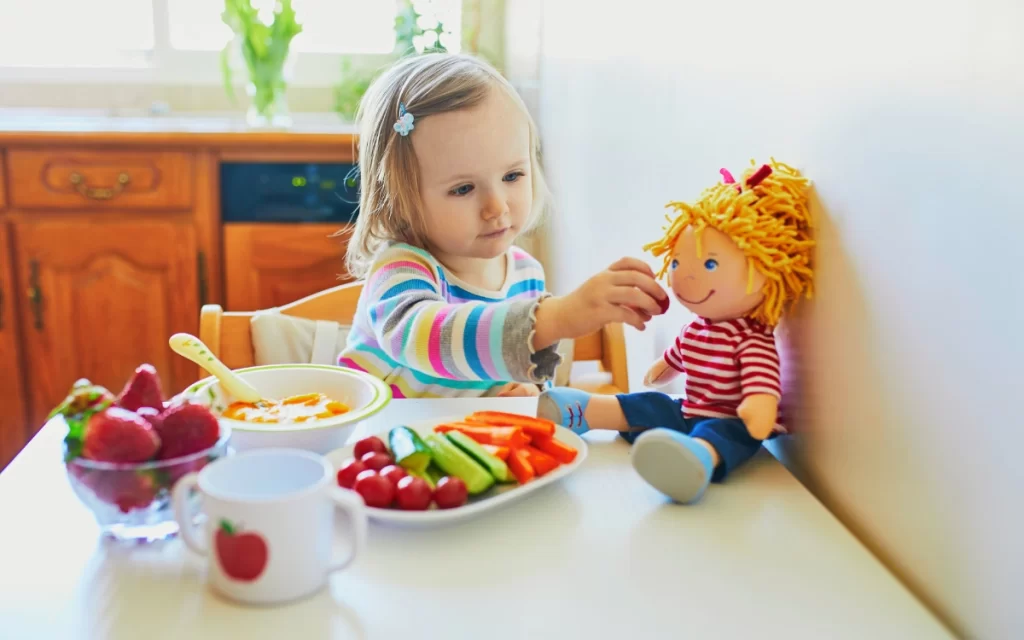
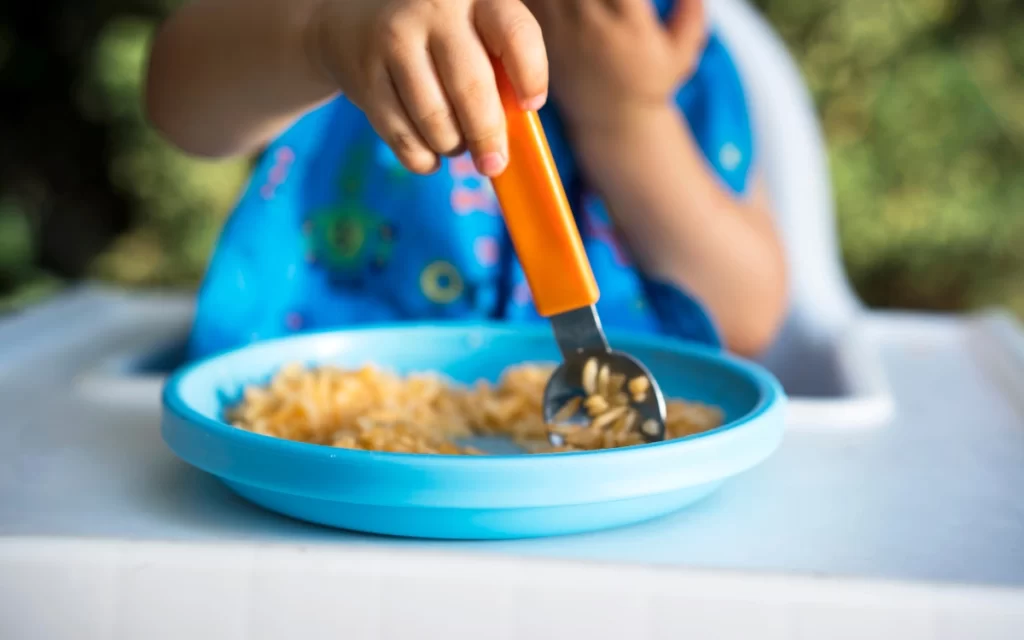
Your toddler’s small stomach means they can’t eat large portions at once, but they still need a variety of nutrients to support rapid growth. A balanced plate provides the right mix of carbohydrates, protein, healthy fats, vitamins, and minerals.
Key components of a balanced toddler meal:
- Fruits and Vegetables: Aim for a variety of colors. Soft-cooked carrots, mashed sweet potatoes, berries, or sliced bananas are great options.
- Protein: Lean meats, chicken, turkey, eggs, beans, lentils, tofu, or fish (check for bones).
- Whole Grains: Oatmeal, whole-wheat pasta, brown rice, or whole-grain bread.
- Healthy Fats: Avocado slices, olive oil, nut butters (thinly spread to avoid choking).
- Dairy or Alternatives: Whole milk, yogurt, or fortified plant-based milk.
Tip: Offer 3 main meals and 2–3 healthy snacks per day to meet your toddler’s high energy needs.
For checkup-related nutrition discussions, see https://arlingtonprimepediatrics.com/.
2. Make Water the Main Drink
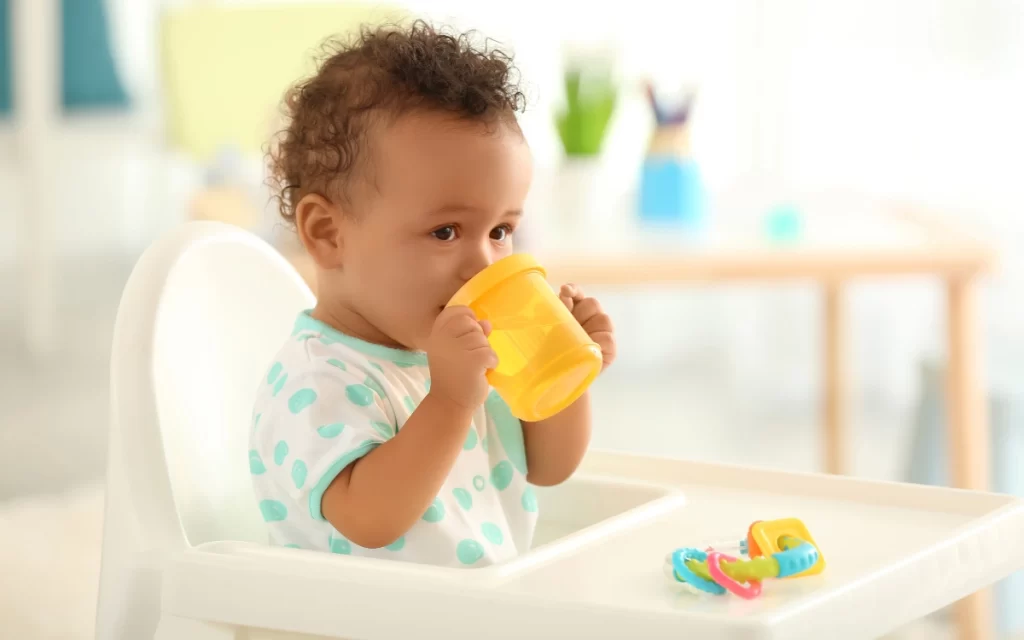
Sweetened beverages can quickly lead to excessive sugar intake, dental problems, and an increased risk of obesity. The American Academy of Pediatrics recommends water and milk as the primary drinks for toddlers.
Best drink choices for toddlers:
- Water: Encourages hydration without added sugar.
- Milk: Whole milk is recommended from 12–24 months; transition to low-fat after age 2 unless otherwise advised.
- Limit Juice: If given, keep it to 4 ounces per day of 100% fruit juice and serve with meals.
Tip: Keep a small, spill-proof water bottle within reach throughout the day so your toddler can drink when thirsty.
Learn more at AAP Healthy Beverage Guidelines
3. Create a Positive Mealtime Environment
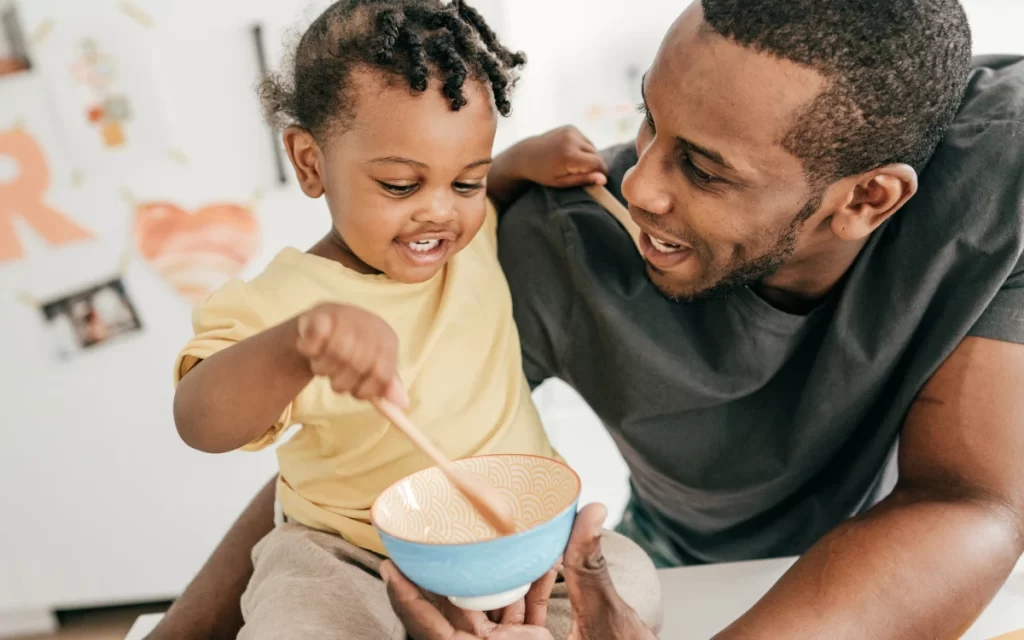
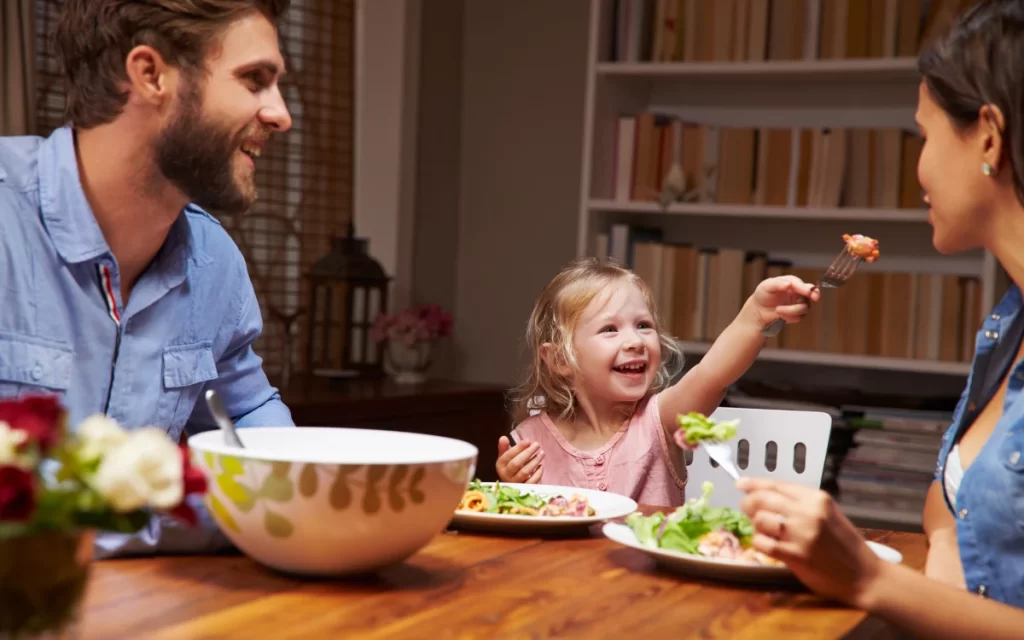
Toddlers are more likely to try new foods when eating is a pleasant, pressure-free experience. This is where family meals can make a big difference.
How to make mealtimes enjoyable:
- Eat Together: Toddlers learn by watching others. Sit together and eat the same foods when possible.
- Remove Distractions: Turn off the TV and put away electronic devices.
- Offer, Don’t Force: It’s your job to decide what foods are offered; it’s your toddler’s job to decide how much to eat.
Tip: Avoid bribing your child to eat (“just one more bite and you get dessert”). This can create unhealthy relationships with food.
4. Introduce New Foods—One at a Time and Without Pressure
Picky eating is common during toddlerhood. Repeated, low-pressure exposure to new foods increases the chance your child will accept them over time.
Steps for introducing new foods:
- Offer a small portion alongside familiar favorites.
- Serve the new food several times—sometimes it takes 10–15 exposures before a child accepts it.
- Let your toddler explore the food by touching, smelling, and tasting at their own pace.
Tip: Keep mealtimes calm. If your toddler refuses a food, simply remove it without negative comments and try again another day.
5. Be Mindful of Portion Sizes
Toddlers need smaller portions than older children, but they often self-regulate their food intake well if given the opportunity.
General portion guidelines for toddlers:
- Grains: ¼–½ slice of bread or 2–3 tablespoons cooked rice or pasta.
- Protein: 1–2 tablespoons of meat, beans, or tofu.
- Fruit/Vegetables: 1–2 tablespoons cooked vegetables or soft fruit pieces.
- Dairy: ½ cup milk or yogurt.
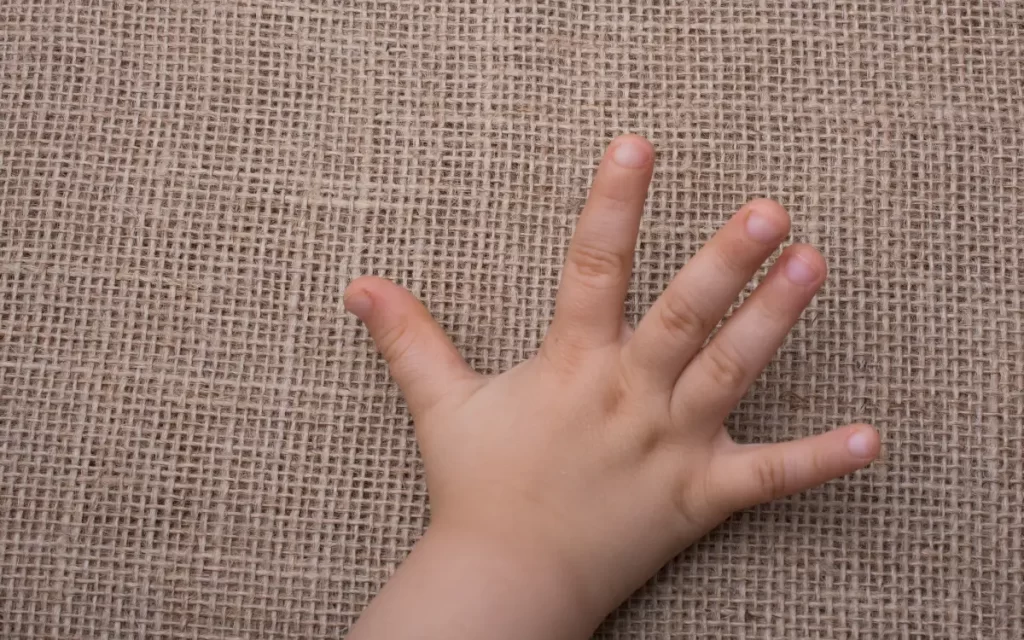
Tip: Use your toddler’s hand size as a portion guide—a fist-sized amount of carbs, palm-sized protein, and thumb-sized fats.
6. Encourage Healthy Snacks
Healthy snacks help bridge the gap between meals and keep energy levels stable. Avoid processed, sugary snacks as much as possible.
Snack ideas for toddlers:
- Apple slices with thinly spread peanut butter (ensure no choking hazards).
- Cheese cubes with whole-grain crackers.
- Plain yogurt with fresh berries.
- Steamed veggie sticks with hummus.
Tip: Plan snacks ahead to avoid last-minute sugary options.
See our https://arlingtonprimepediatrics.com/services/wellness-care-for-children/ page for more preventive nutrition guidance.
7. Model the Eating Habits You Want to See
Toddlers mimic what they observe. If they see you eating a variety of healthy foods, they’re more likely to try them too.
Ways to model healthy eating:
- Enjoy fruits and vegetables at every meal.
- Show enthusiasm for trying new foods.
- Avoid negative comments about certain foods in front of your child.
Tip: Remember, toddlers often need repeated exposure before accepting new foods—be patient and consistent.
When to Talk to Your Pediatrician About Toddler Nutrition
While picky eating is usually a normal phase, you should contact your pediatrician if you notice:
- Your child consistently refuses entire food groups.
- Significant weight loss or poor growth.
- Persistent digestive problems.
- Signs of nutrient deficiencies (pale skin, unusual fatigue, hair loss).
At Arlington Prime Pediatrics, we offer wellness care for children, including nutrition counseling tailored to your child’s needs. Our team can help you create a plan that fits your toddler’s preferences, growth goals, and family lifestyle.