
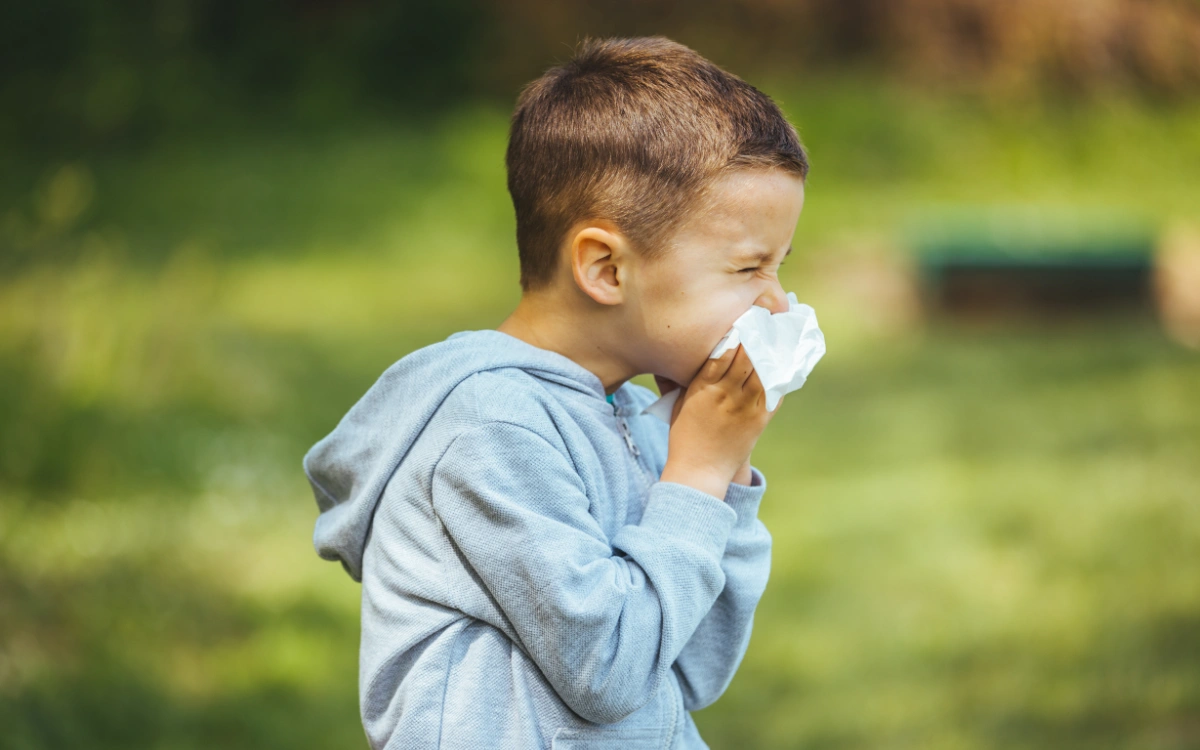
Fall in Texas is a time of cooler mornings, football games, and family activities outdoors. Unfortunately, it is also one of the peak seasons for childhood allergies. Parents often notice their child sneezing more, rubbing itchy eyes, or developing a persistent cough just as the weather begins to shift. These symptoms can sometimes look like a common cold, making it challenging to know what’s really going on.
In Texas, pollen from ragweed, grasses, and mold spores are among the biggest culprits in fall allergies. Understanding the difference between allergies and viral infections, knowing what triggers to watch for, and knowing how to manage the fall allergy season in Texas can make all the difference in helping children feel better.
This comprehensive guide will cover:
- The most common pollen triggers in Texas during fall.
- Symptoms of allergies compared to colds.
- Treatment options to help children manage symptoms.
- When to see the pediatrician for additional support.
Understanding Fall Allergy Triggers in Texas
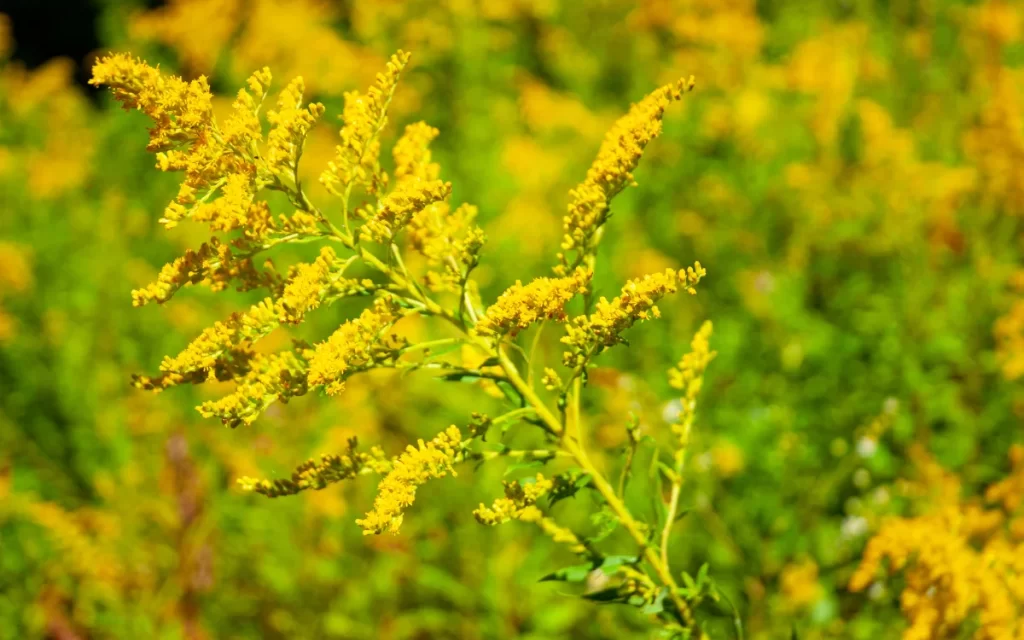
Ragweed Pollen: The Biggest Offender
Ragweed is one of the most potent allergy triggers in the U.S., and Texas is no exception. Just one ragweed plant can release up to one billion grains of pollen in a season, and the winds of North Texas can carry those grains for miles.
- Season: Mid-August through late October.
- Symptoms in children: Runny nose, itchy throat, sneezing, watery eyes, coughing at night.
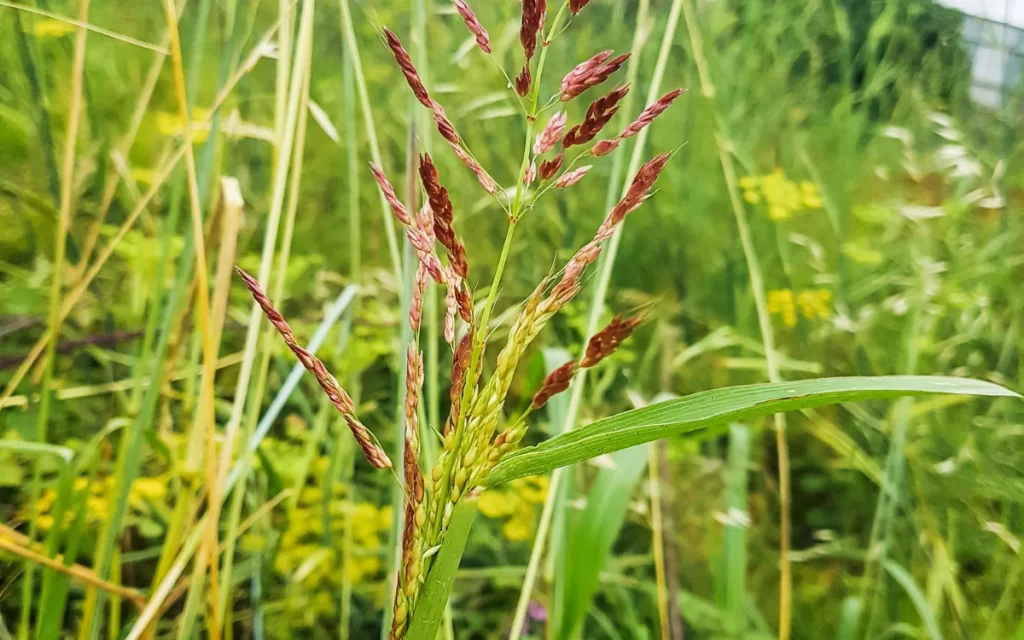
Grass and Weed Pollens in Texas
Though spring is the most notorious season for grass pollen, certain grass species and weeds peak in fall. Johnson grass, tumbleweed, and sagebrush can irritate sensitive airways in children.
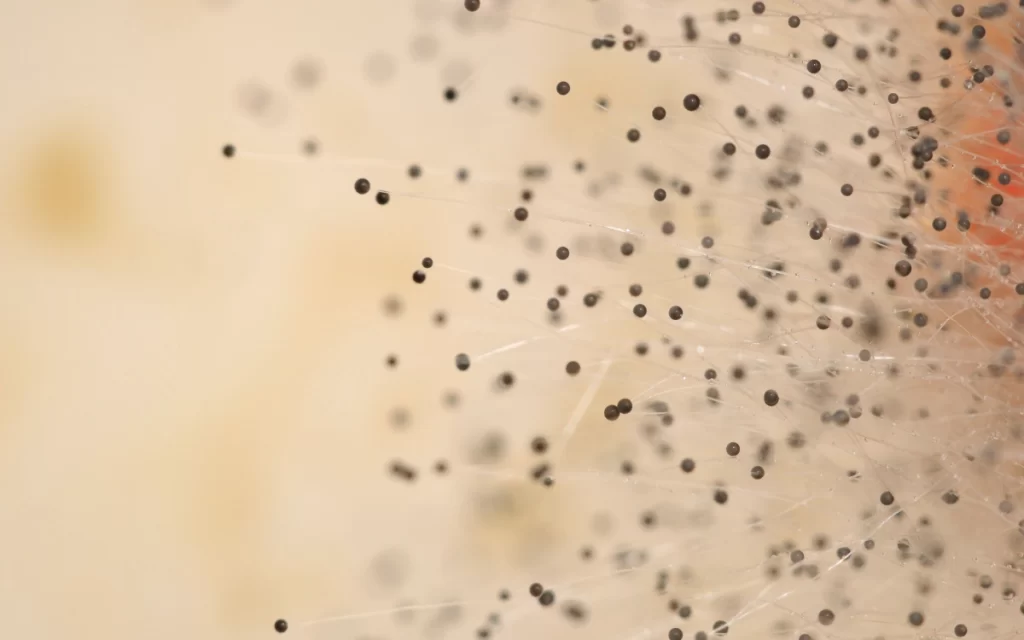
Mold Spores and Damp Leaves
Unlike pollen, mold thrives in damp conditions. Fall rains combined with piles of fallen leaves make North Texas a hotbed for mold spores. Children with asthma often experience flare-ups during this time.
Parents can track daily pollen counts at Pollen.com .
Symptoms of Allergies vs. the Common Cold
Parents often struggle to distinguish between a lingering cold and seasonal allergies. While both can cause sneezing and congestion, the underlying cause is very different.
Key Differences
| Symptom | Allergies | Cold |
|---|---|---|
| Sneezing | Frequent, repetitive | Occasional |
| Runny nose | Clear, watery mucus | Thicker, yellow/green mucus |
| Itchy eyes | Common | Rare |
| Fever | Rare | Possible |
| Duration | Weeks to months | 7–10 days |
| Timing | Worsens outdoors, better indoors | Anytime |
If your child’s “cold” lasts longer than 10 days or always flares up outdoors, allergies may be the cause.
Treatment Options for Fall Allergies
At-Home Relief for Children
- Keep windows closed: Especially during peak pollen hours (early morning).
- Use HEPA filters: Air purifiers in the bedroom can reduce pollen and mold spores.
- Shower after outdoor play: This prevents pollen from lingering on skin and hair.
- Wash bedding weekly: Use hot water to remove allergens.

Over-the-Counter Medications Parents Can Use Safely
- Antihistamines: Such as cetirizine or loratadine, safe for most children (check dosing with a pediatrician).
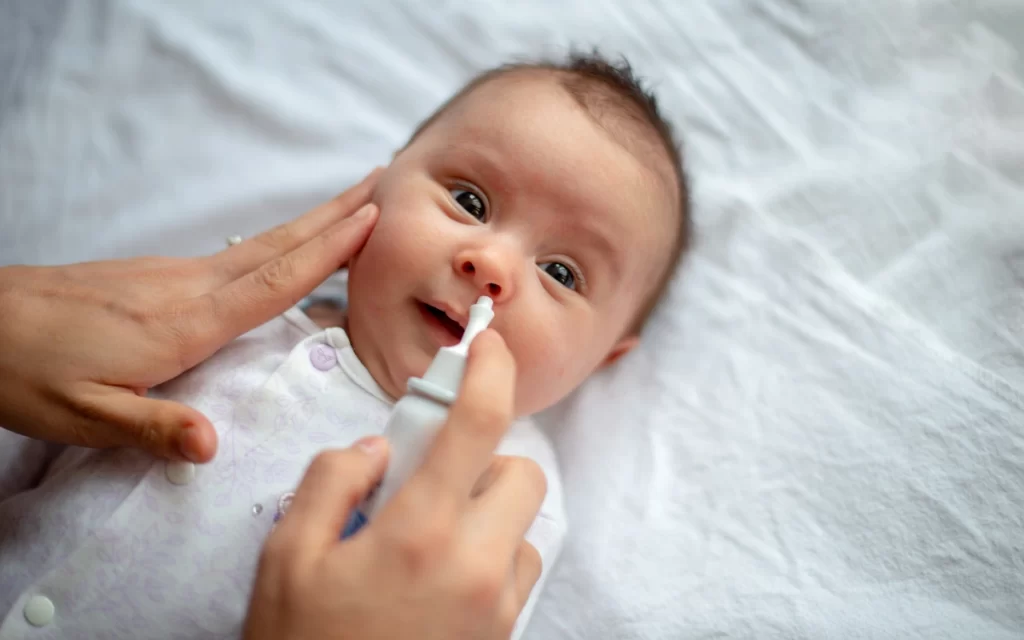
- Nasal sprays: Help reduce inflammation in the nasal passages.
- Eye drops: Relieve itchy, watery eyes.
Parents should always confirm proper dosage using trusted resources like the American Academy of Pediatrics dosage guides .
Prescription Treatments
If symptoms remain uncontrolled, pediatricians may prescribe:
- Stronger antihistamines or nasal corticosteroids.
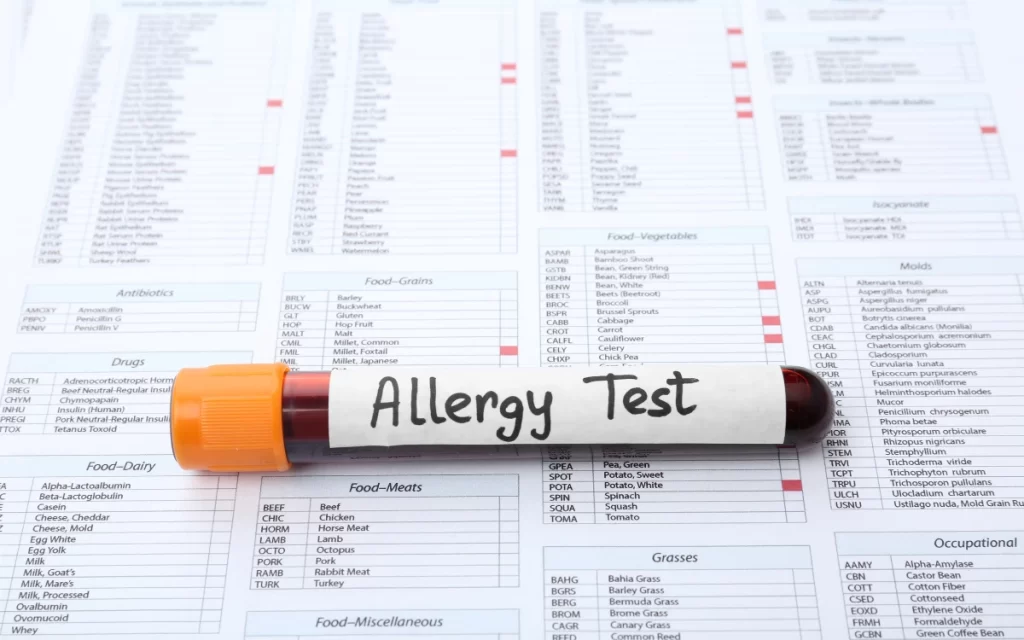
- Allergy testing to identify specific triggers.
- Immunotherapy (allergy shots or drops) for long-term relief.
When to See the Pediatrician
Not every sneeze requires a doctor visit, but there are times when medical care is essential. Parents should schedule an appointment if:
- Allergy symptoms interfere with school, sleep, or daily activities.
- Over-the-counter medications are not effective.
- The child develops wheezing, persistent cough, or shortness of breath (possible asthma).
- Symptoms are accompanied by a fever, ear pain, or thick yellow mucus, which may signal infection.
Arlington Prime Pediatrics offers asthma and allergy screening and treatment for families in the Arlington area.
Learn more about our service: Asthma and Allergy Screening and Treatment
Supporting Your Child Through Allergy Season
School and Activities
- Inform teachers and coaches about your child’s triggers.
- Provide tissues, hand wipes, and any prescribed medication.
- Encourage hydration to soothe irritated throats.

Emotional Impact
Children may feel frustrated by missing sports or activities due to symptoms. Parents can support them by:
- Planning indoor family activities.
- Teaching relaxation strategies like breathing exercises.
- Reassuring them that allergies are manageable with the right care.

Preventive Measures for the Future
- Schedule well-child visits to stay ahead of allergy concerns.
- Discuss long-term strategies like allergy testing.
- Consider seasonal allergy plans—start medication before pollen counts rise.
For new families, Arlington Prime Pediatrics makes it easy to get started. Parents can complete all necessary new patient forms online before their first appointment.
Conclusion
Fall allergy season in Texas can be challenging, but with the right knowledge and care, children can thrive without constant discomfort. Parents who recognize the triggers, understand the difference between allergies and colds, and know when to seek professional help are better prepared to support their child’s health.
Arlington Prime Pediatrics is here to help families in Arlington and surrounding communities manage seasonal allergies with compassion and expertise.